Why agentic AI fails
Your agentic AI pilot worked. Scaling it is a different problem.What you'll take away

A clear-eyed picture of where agentic AI actually is today
The gap between what organizations expect autonomous systems to do and what the technology can reliably deliver — so you can set strategy and stakeholder expectations accordingly

A failure taxonomy you can operationalize
Model layer failures, systemic coordination failures, and ecosystem failures, including the security and access control gaps that agentic systems expose in ways traditional software never did.

The "least agency" governance model
How to apply zero trust principles to autonomous systems so agents operate with only the access and authority they need, and no more.

Production observability that matches how agentic systems actually fail
Including how to detect invisible failures where outputs appear correct but are systematically wrong underneath, before they compound into incidents.

A roadmap for data science leaders
How to bridge the gap between LLM-powered workflow automation (where most organizations are today) and the genuinely autonomous systems that deliver enterprise ROI.
Featured speakers
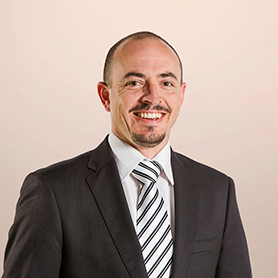
Guest Speaker Sam Higgins
VP, Principal Analyst

Sam assists technology executives and their business counterparts in understanding the opportunities and barriers facing them and their teams from continual technology-driven transformation. His professional engagements in the private sector, as well as state and federal government, assist him in addressing the unique IT management and delivery challenges found in diverse industries including banking, healthcare, education, transportation, and mining. At Forrester, he provides specific guidance to financial services institutions, public sector agencies, and asset-intensive firms in the energy, utilities, and resources sector. Sam's current research focuses on business IT alignment and value creation, technology-driven innovation, business and technology leader collaboration, cloud adoption and application platform optimization, and employee experience for technology leaders as well as local and regional adoption of emerging technology for enterprise, digital, and IT transformation. Sam specializes in delivery of advisory to clients in Australia and near-shore English-speaking markets across Asia Pacific as well as public sector clients globally.
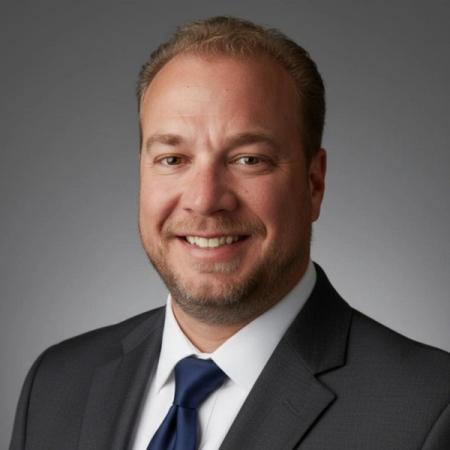
Jarrod Vawdrey
Field Chief Data Scientist

Jarrod Vawdrey is a fixture in the data science community, and is Advisor and former CEO of A42 Labs, a leading provider of AI and ML software and services for building, deploying and managing business critical data workloads at scale. Jarrod holds multiple patents in the field of AI and data science.