November 5th | 12:00 PM ET | 1 hour
Deploying GenAI and agents in clinical development usually triggers familiar friction between innovation and compliance. Traditional Computer System Validation demands rigid determinism, while large language models and agentic systems are inherently non-deterministic. Relying on legacy validation blueprints creates documentation bottlenecks, while blanket restrictions push teams into risky shadow AI.
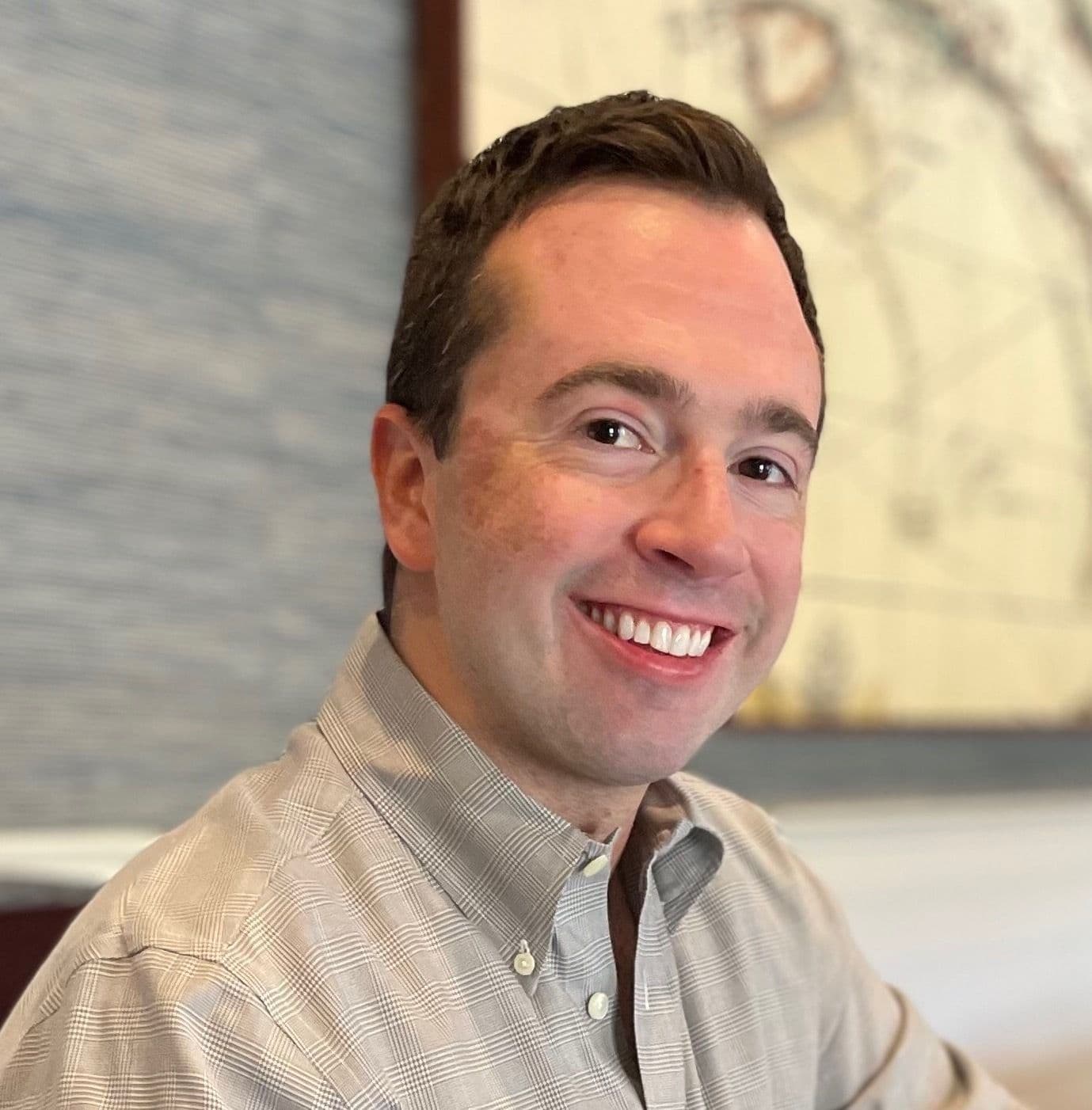
Join Peter Krusche from Novartis and Matt Tendler from Domino Data Lab for a practical look at how to resolve this challenge. Novartis bridges the gap by shifting focus from model weights that can’t be validated to output assurance using Computer Software Assurance principles, isolated sandboxes, and spec-driven supervision. Peter will also showcase PAIR, the CDISC-award-winning AI workflow that drafted 32 complex clinical tables in 47 minutes under full human control.
Key takeaways:
Transition from validating non-deterministic model weights to validating output using Computer Software Assurance strategies that align with 21 CFR Part 11 and EU Annex 11
Upgrade human in the loop supervision with spec-driven development and stacked pull requests so code reviews are fast, rigorous, and auditable
See PAIR in action as it leverages metadata and synthetic ADaM datasets to safely automate study-level TFL generation